


There are Department of Energy cuts in the Trump administration’s plans that I would keep. Hydrogen for buses, trucks, building heat and routine electricity storage has consumed public money and attention far beyond its competitive merits. Ending that spending would be an improvement. The same administration wants to gut research supporting batteries, electric vehicles, buildings and renewable electricity, while giving much gentler treatment to technologies unlikely to contribute nearly as much. Agreement with a few cancellations does not turn that combination into an energy strategy.
This is the stopped-clock category of public policy. In March 2025, I welcomed prospective hydrogen-hub cancellations, despite the administration’s motives. In October, I separated questionable hydrogen spending from useful infrastructure caught in the same assault. Biden’s administration funded things that deserved criticism. Trump’s administration can cancel one of them and still make the overall transition harder, slower and more expensive.
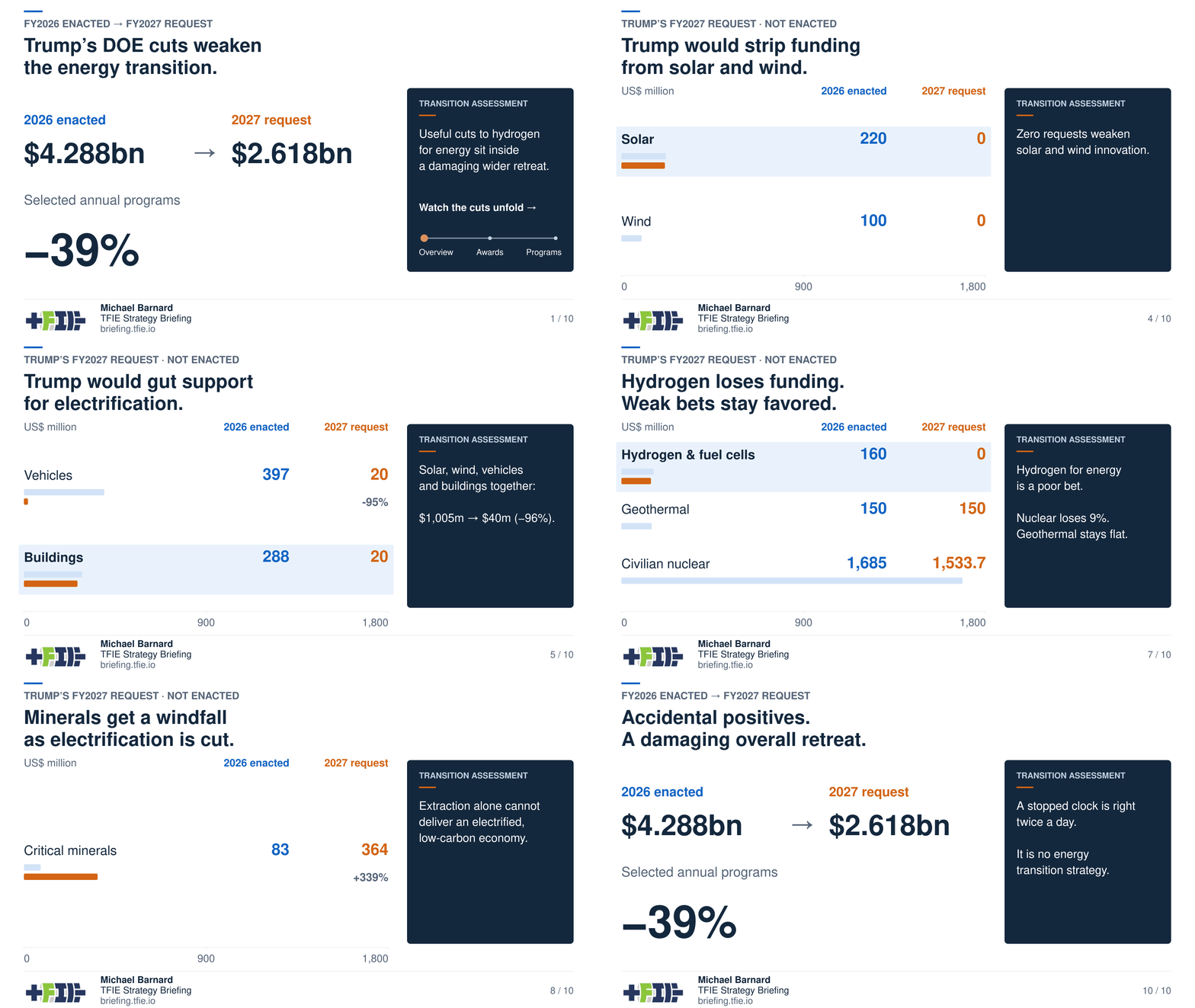
The clearest annual comparison is between FY2026 enacted program funding and Trump’s FY2027 request. Across the thirteen technology lines examined here, funding would fall from $4.288 billion to $2.618 billion, about 39%. Solar, wind, vehicles and buildings together would fall from $1.005 billion to $40 million, a reduction of roughly 96%. These are selected DOE program lines, not the department’s entire budget or all federal support for those technologies. The FY2027 column is a request, not a record of enacted cuts. The scale and distribution nevertheless tell us what the administration wants Congress to do.
A useful response requires more than defending everything labelled clean energy. Below, I work through what each budget area can contribute, which cuts I would keep, which I would reverse, and why the hydrogen hubs and cement demonstrations require a separate account. Links to my previous assessments make the reasoning explorable for readers who want to dig deeper.
