

Nuclear power is a reasonable low-carbon electricity technology. It produces very little greenhouse gas pollution in operation, avoids the health burden of fossil-fuel combustion, provides firm electricity and can run for many decades. My skepticism about large nuclear expansion has never depended on pretending reactors do not work. The more useful issue is why some countries have managed to build nuclear fleets reasonably successfully for periods of time while so many individual projects and attempted nuclear renaissances have produced extraordinary cost and schedule overruns.
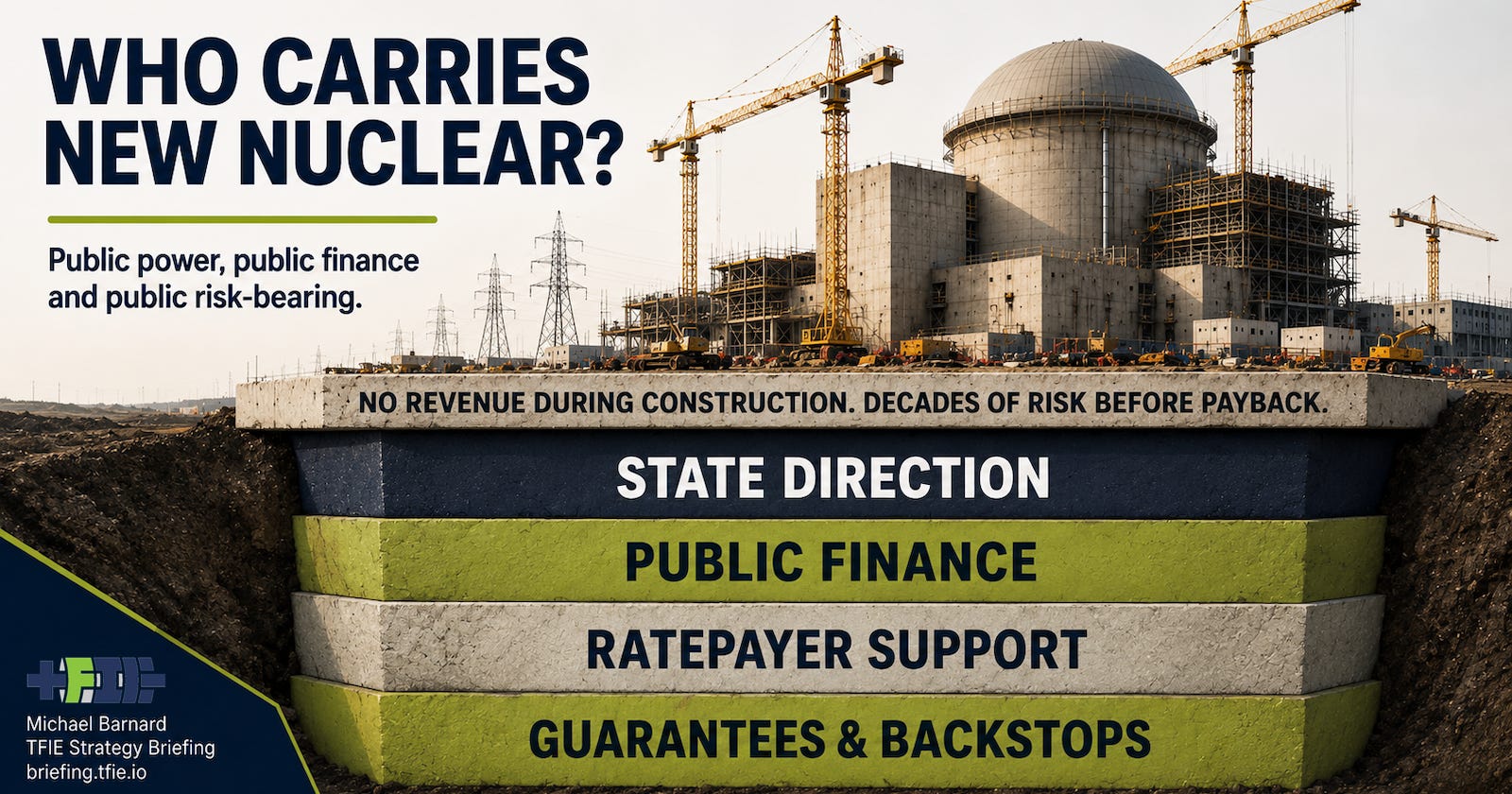
When I examined this in 2023, the pattern was fairly clear. The nuclear programs that scaled best were national strategic programs rather than collections of independent merchant projects. Governments made nuclear a national priority, constrained technology choices, created financing and regulatory structures around it, developed national workforces and supply chains, and committed to building enough reactors over a long enough period for experience to carry from one project to the next. My headline at the time argued that nuclear energy and free-market capitalism were incompatible. Private companies can obviously manufacture equipment, build plants, operate reactors and invest in nuclear businesses. Capitalist economies can have nuclear power. The narrower and more defensible finding is that new nuclear is a poor fit for hands-off merchant-market project finance.
